
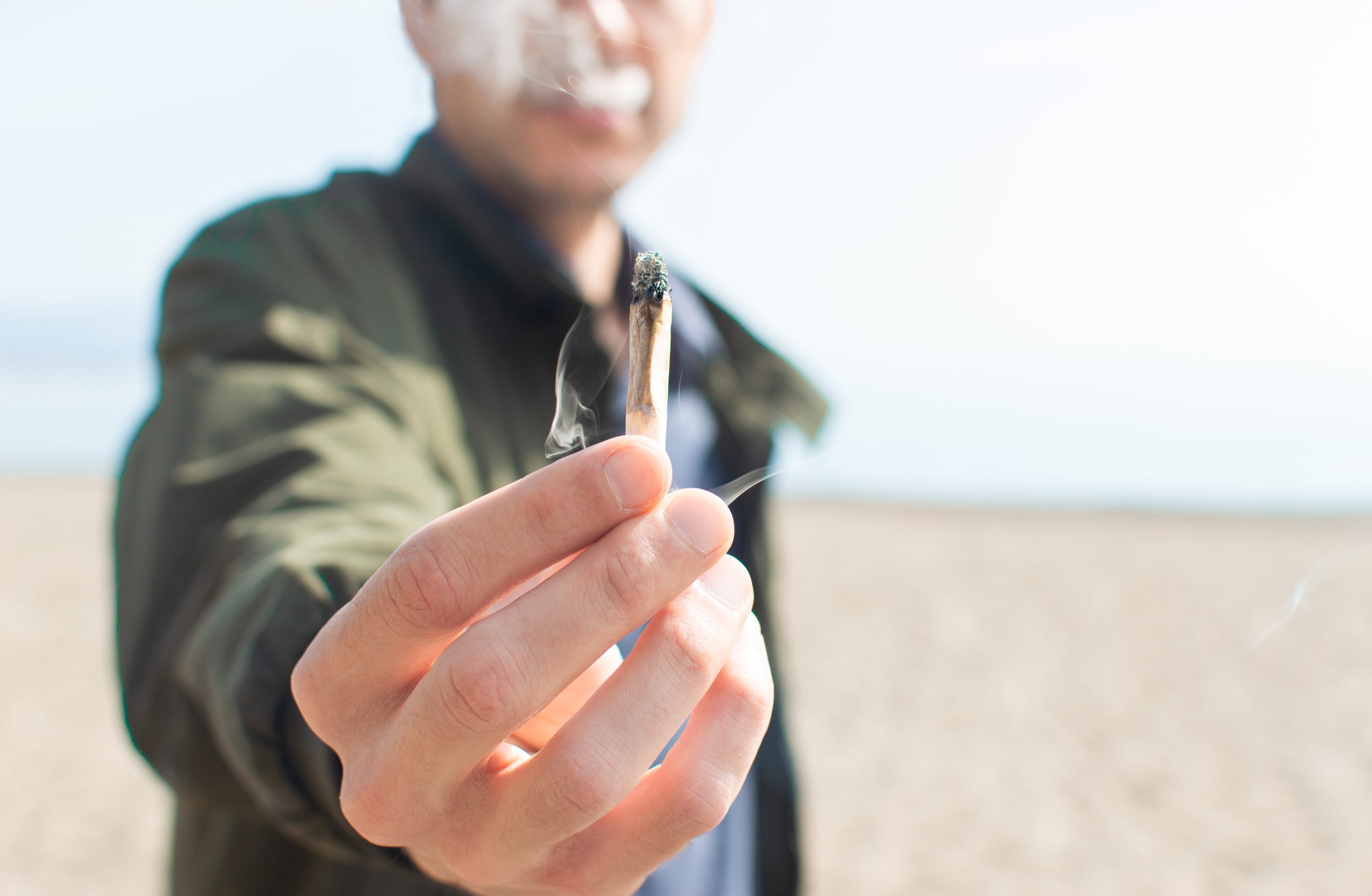
As cannabis legalization spreads globally, many individuals are turning to the plant as a potential remedy for mental health struggles. While often touted as a “natural” solution for anxiety, depression, and PTSD, the scientific reality is nuanced. Recent research suggests that while certain compounds in cannabis may offer temporary relief, the long-term impact on mental health remains a complex—and sometimes risky—equation (The BMJ, 2023).
The Short-Term Appeal: Anxiety and Stress
The most common reason individuals use cannabis for mental health is to manage anxiety. This is largely due to the “biphasic effect” of Tetrahydrocannabinol (THC). In low doses, THC can induce relaxation and euphoria; however, Cannabidiol (CBD) has shown even more promise in clinical trials for its anti-anxiety (anxiolytic) properties without the “high” associated with THC (Veriheal, 2025).
For individuals with Post-Traumatic Stress Disorder (PTSD), studies indicate that cannabis may help suppress nightmares and improve sleep quality by interacting with the brain’s endocannabinoid system, which regulates fear and memory extinction (Psychiatry & Psychotherapy Podcast, 2025).
The Long-Term Risks: Dependence and Psychosis
Despite acute relief, chronic use presents significant challenges. The “self-medication” hypothesis suggests that while users may feel better in the moment, they may inadvertently be worsening their baseline symptoms (National Institute on Drug Abuse [NIDA], 2024).
- Depression and Motivation: Long-term, heavy use is associated with “amotivational syndrome” and a higher risk of developing clinical depression. A 2025 study highlighted that frequent cannabis users often report higher levels of suicidal ideation compared to non-users (Government of Canada, 2025).
- Psychosis: Perhaps the most concerning link is between high-potency THC and psychosis. For individuals with a genetic predisposition to schizophrenia, regular cannabis use can trigger the earlier onset of psychotic symptoms (NIDA, 2024).
- Withdrawal-Induced Anxiety: Frequent users often experience “rebound anxiety” when not under the influence, creating a cycle of dependency where the substance is required just to feel “normal” (Psychiatry & Psychotherapy Podcast, 2025).
Modern Research: A Shift Toward CBD
In 2024 and 2025, clinical focus has shifted toward isolated cannabinoids like CBD and CBG. Unlike whole-plant cannabis, these compounds do not appear to carry the same risk of addiction or psychosis (Veriheal, 2025). Medical experts generally advise that if cannabis is used for mental health, it should be done under clinical supervision, prioritizing products with high CBD-to-THC ratios to minimize psychiatric side effects (Government of Canada, 2025).
Conclusion
Cannabis is not a universal “cure” for mental health disorders. While it may offer a temporary “brake” for a racing mind, it can also lead to long-term emotional dysregulation and cognitive challenges (The BMJ, 2023). Cannabis users should consult with healthcare providers to weigh these benefits against the very real risks of dependency and symptom exacerbation.
New Dimensions Day Treatment Centers Can Help!
New Dimensions has intensive outpatient treatment programs for adolescents and adults with mental health or substance abuse issues. To learn more about our services, including Psychological Testing, Partial Hospitalization Programs (PHP), Intensive Outpatient Programs (IOP), and Interventions for Substance Abuse, contact us at 800-685-9796 or visit our website at www.nddtreatment.com. To learn more about individual, family, and couples counseling visit www.mhthrive.com.
References
- Government of Canada (2025). Cannabis and mental health. [Online]. Available at: https://www.canada.ca/en/health-canada/services/drugs-medication/cannabis/health-effects/mental-health.html
- National Institute on Drug Abuse (NIDA) (2024). Cannabis (Marijuana) Research Report: What is the relationship between cannabis use and mental health? [Online]. Available at: https://nida.nih.gov/research-topics/cannabis-marijuana
- Psychiatry & Psychotherapy Podcast (2025). Episode 246: Cannabis and Depression, Anxiety, PTSD, and Sleep Update. [Online]. Available at: https://www.psychiatrypodcast.com/
- The BMJ (2023). Balancing risks and benefits of cannabis use: umbrella review of meta-analyses. BMJ 2023;382:e072348.
- Veriheal (2025). New Research: Cannabis for Anxiety Relief in 2025. [Online]. Available at: https://www.veriheal.com/blog/new-research-on-cannabis-and-anxiety-relief/